THE PRINCIPLES OF HUMAN LIFE : Origin in human created from the ground. If die will be back in the tomb to the ground. Consumption of food derived from its soil. Treatment also comes from the land.
Hawthorn for a failing heart
Hawthorn (various Crategus species) received an endorsement in another Ernst-and-friends metareview. The review included 14 trials, and focused on hawthorn's ability to improve the maximum workload of the heart, and improve various cardiovascular markers during exercise-induced strain. The bottom line: hawthorn leaf and flower extract helps. A lot. Even if added to existing medication regimens.
Canadian herbal product regulation
There's a somewhat alarming development afoot in Canada relating to the sale, use and dispensation of herbal medicines and "natural" supplements. We've been following the discussion on herbal product regulation here in the United States, and looked briefly at the impact that Canadian legislation passed in 2004 (very similar to the FDA's current rules) and the impact it's had on herbalists.Devil's Claw and rheumatic inflammation
Devil's Claw (Harpagophytum procumbens) is native to South Africa, lives in dry soils, and produces large underground tubers that are a source of both food and medicine.
Herbs regulated as drugs
Large study finds association between headaches and digestive symptoms
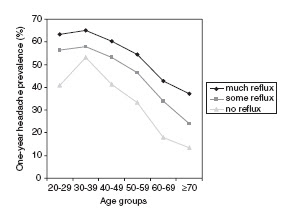
A large study conducted in Norway points at some definite links between headaches and GI tract complaints like acid reflux (see figure on the left), nausea, constipation, and diarrhea. Over 60,000 people participated, and the results were adjusted for sex, age, education, depression, anxiety and use of medication. The clearest connection was between headache frequency and GI symptoms (rather than severity, or simple headache occurrence). All reported symptoms were evaluated clinically (quite a feat!) and so there is some measure of objectivity to the data as well.Fungal mycorrhizae: ecosystem modulators
A nice article from Nature magazine shares some interesting research on the mycelia of mushrooms (the main growing part, usually underground, which produce the spore-bearing fruiting bodies we harvest and eat). We've known for a long time that mycelia are everywhere, almost saturating soil and contributing to the ecological balance of forest and field alike. We've even studied how some plants, like orchids for example, engage in a delicate balance with the root-like tendrils of fungal mycelia (known as mycorrhizae), benefiting in both nourishment and protection. Recent research has focused on how the web of fungal roots in the soil of the forest acts as a literal 'network', sharing and balancing resources between itself and different species of green plants. It seems quite likely, in fact, that many plants could not exist without their fungal symbiotes: but the story goes deeper than that.Herbal medicine commentary: are we chasing fairies ?
"By proper Herbalism, I mean the variety practiced by Herbalists who have devoted many years of study to the application of herbs for medical purposes, as opposed to the fairy chasing brigade who hijack any therapy that they can practice with minimal effort..."
Sparkly Comfrey Powder
It's late August, the sun is still hot, the evening light is orange, and the Comfrey is still going crazy.This unyieldingly generous plant keeps coming back, and spreading, no matter how often you harvest its leaves for improvised poultices, throw its long hollow stalks into the compost, or even dig away at its root. And regardless of what you think of the pyrrolizidine alkaloid content of this bristly Boraginacea, you can't deny that its topical use is very safe and effective.
I love chewing a Comfrey leaf to put on a bad scrape or superficial wound, you can feel its texture going from almost spiny to green to slimy. And the gel that is created is some of the best medicine for the skin, rich in allantoin, soothing and healing.
Datura inoxia
Known as Toloache by the Aztecs (and probably used by most Mesoamerican cultures before them), this beautiful representative of the Datura genus just recently began opening its flowers in my garden. It blooms in the evening, pollinated by night-flying moths, with huge (8"+) flowers and a sweet aroma that sets it apart from its cousin, the Jimson weed (D. stramonium).
Many members of the Solanaceae (Nightshade family, perhaps my favorite plant family though the Araliae are right up there) possess alkaloids like scopolamine and hyoscyamine which have the ability to limit the action of the parasympathetic nervous system (they are so-called parasympatholytics). This yin-like side of our nerve networks promotes rest, digestion, and reproduction, and actively counterbalances the more yang-like sympathetics continuously.
Stress, inflammation, and chronic disease
Sure, we all know that stress, tension and the anger that sometimes accompany them don't make us feel too good. A study from researchers at Duke, using data obtained by the Air Force, reveals just how linked these aspects of life are to crucial markers of cardiovascular inflammation. Elements (part of the complement family of proteins) in the blood that are involved in regulating inflammation in the heart and blood vessels seem to get overproduced by significant factors in men who feel more anger, hostility, and depression.
Subscribe to:
Posts (Atom)